Why the Pull Decides More of a Point Than the First Three Throws
Quick Answer: A pull that lands deep and stays in bounds pins the offence inside their own end zone, adding 30 to 50 metres they have to cover before scoring. A short or out-of-bounds pull hands them a brick or a centre start. Across a game that difference compounds, and it’s decided by one throw that most teams spend almost no practice time on.
It’s the highest-leverage, least-practised skill in club and league ultimate.

What does a good pull actually buy you?
Field position, time, and the ability to set your defence.
Field position. A pull that lands near the goal line and stays in means the offence starts as far from your end zone as the rules allow. A pull that goes out of bounds gives them the brick mark, which in most rulesets is a substantial distance up the field and centred, which is one of the best positions on the pitch. The swing between the best and worst outcome of a single throw is enormous.
Time. Hang time matters as much as distance. A pull with 5 or 6 seconds of air lets your line run the full length of the field and arrive set. A flat, fast pull that covers the same ground in 3 seconds arrives with your defenders still sprinting, which is how offences get an easy first three throws.
Defensive setup. A pull placed to a sideline forces the offence to pick it up in a corner, which restricts their options immediately and lets your defence set a trap on the open side. A pull down the middle gives them both sides.
So one throw controls where the point starts, how much time your defence has, and how many options the offence has on their first pickup. The first three throws of the point are being shaped before anyone has touched the disc.
Why does the pull go wrong so often in autumn?
Because the two variables that determine a pull, air density and wind, both change with the season, and most players are still throwing their summer pull.
Cold air is denser. A disc generates lift from airflow over its surface, and denser air produces more lift at the same speed. Colder air means the disc holds up longer, which sounds helpful and often isn’t: a pull thrown with summer power in October frequently floats too long and drifts out the back or the side.
Wind is stronger and less predictable. Autumn brings more wind, and open fields have very little shelter. A crosswind of 15km/h moves a pull with 6 seconds of hang time a long way sideways.
The disc itself behaves differently when cold and damp. A cold plastic disc is slightly stiffer, and a wet disc releases differently. Grip on release is the biggest single factor in pull accuracy, and cold hands make it worse.
And the field is longer to run. Wet, heavy ground slows your defensive line, so the same hang time buys them less.
The practical consequence is that a pull that was reliable in July needs recalibrating in October, and teams that don’t recalibrate spend the first two or three points of every autumn game giving away field position.
What are the actual mechanics of a good pull?
Choose the throw for the conditions, not for your preference. A backhand pull generates more distance for most players. A forehand pull is far more stable in a headwind and easier to keep low and driving. Into wind, the flat forehand or a low backhand outperforms a high floaty one every time.
Angle of release is what controls flight shape. For a backhand pull, releasing with the outside edge angled up produces the rising, curving flight that maximises hang time. Too much and it turns over and lands short.
Aim for the corner, not the centre. A pull to a sideline corner takes away half the field for the offence’s first pickup and is the single most useful placement change most players can make.
Trade distance for hang time in a tailwind. A downwind pull will travel further than you intend, and the failure mode is going out the back. Throwing it higher and shorter is the correct adjustment.
Do the opposite into a headwind. Low, flat, and hard, so the wind doesn’t hold it up and blow it back.
Step into it properly. A pull is a full-body throw with a run-up. Players who throw a pull from a standing position with arm alone lose 15 to 20 metres and most of their consistency.
Call it before you throw. Tell your line where the pull is going so they can set their lanes.
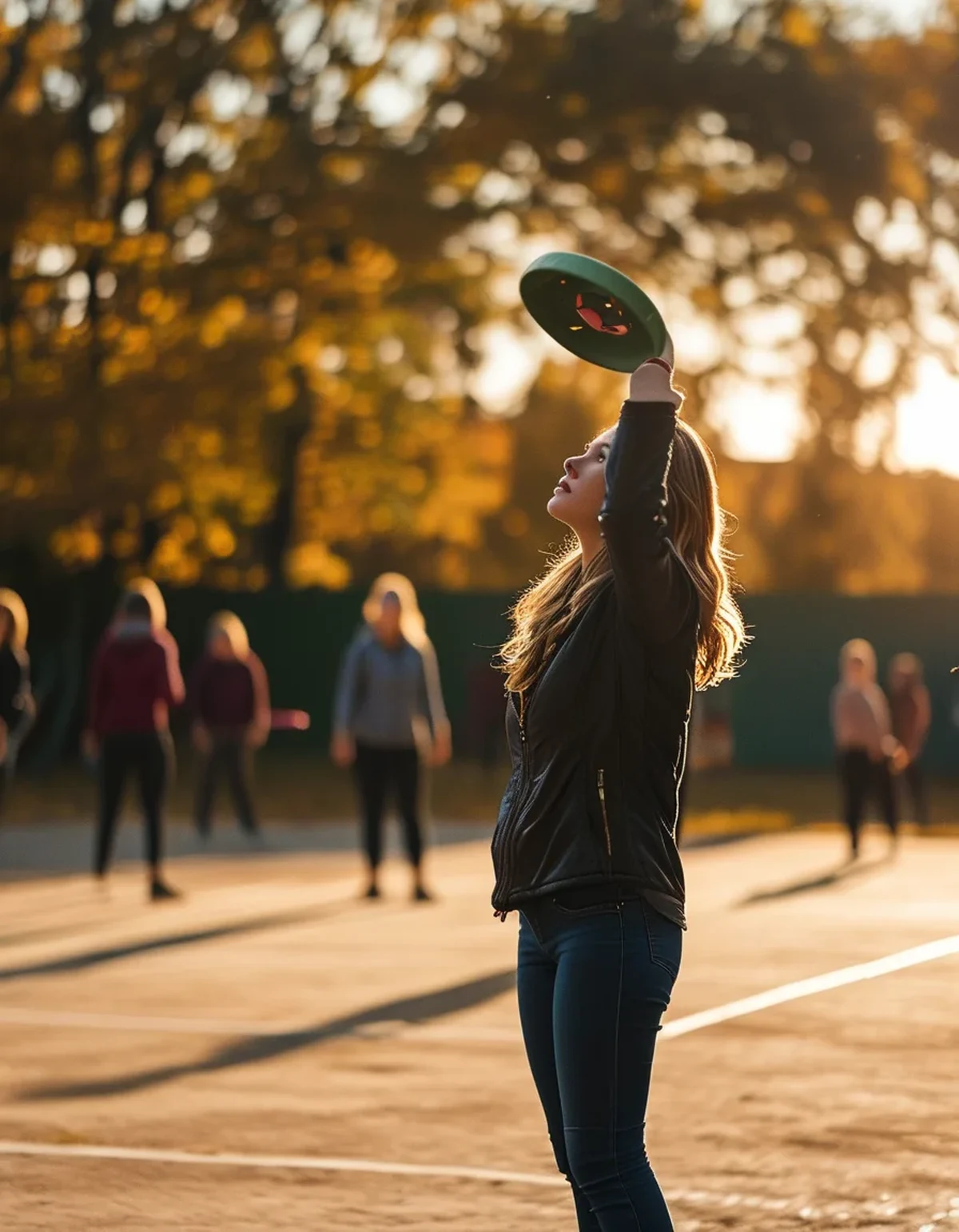
5 Mistakes Teams Make With the Pull
1. Nobody owns it. Whoever is closest picks up the disc. A team should have two or three designated pullers who practise it, and a designated into-wind option, since throwing into wind is a genuinely different skill.
2. Practising throws and never practising pulls. Teams spend hours on flat-ground throwing and almost no time on a throw that happens at least a dozen times a game and swings 40 metres of field position each time.
3. Maximising distance instead of hang time. A pull that lands deep in 3 seconds is worse than one that lands 10 metres shorter in 6, because the defence arrives set in the second case.
4. Ignoring the wind between points. Wind shifts through an autumn afternoon. The pull that worked at the start of the game may be wrong by the second half, and nobody rechecks.
5. Not running the pull as a unit. The defensive line should leave on the release with assigned lanes, not react to where it lands. The third mistake is the one that costs most points, because it looks like a good pull from the sideline right up until the offence’s first throw goes uncontested.
How to practise the pull without boring everyone
Ten minutes at the end of training, with a target. Cones in the corners of the end zone. Points for landing in bounds in the corner, zero for out of bounds regardless of distance. Scoring changes what people practise.
Practise into wind deliberately. It’s the harder skill and the one that decides close autumn games. Half your pull practice should be into the wind you’re least comfortable with.
Time the hang. Someone counts out loud. Players are consistently surprised at how short their hang time is when it’s measured, and the number improves fast once it’s being tracked.
Run the line with it. Occasionally practise the pull with the full defensive line running, so the connection between hang time and setting up is felt rather than explained.
Practise the recovery too. What happens when a pull goes out of bounds is a set piece your defence should know cold, since it’s going to happen several times a game regardless of how well you throw.
Build a cold-weather version. In the first cold sessions of autumn, have your pullers deliberately recalibrate: same throw, note where it lands, adjust. Ten throws is usually enough to find the new setting.
And for hands specifically: pullers should keep gloves on between points in cold weather and take them off for the throw. Grip on release is the difference between a corner pull and a brick, and cold fingers are the most common cause of a bad release in autumn ultimate.
FAQ: Ultimate Pull Questions, Answered
Backhand or forehand pull?
Backhand generally for distance in still or downwind conditions, forehand for stability into a headwind and for keeping it low. Most strong pullers have both and choose by conditions rather than preference.
How much hang time should I aim for?
Roughly 5 to 6 seconds is the target for a full-field pull. Under 4 seconds and your defence arrives unset regardless of where it lands.
Is it better to pull out of bounds than to pull short?
Almost never. A short pull in bounds still forces the offence to pick up where it lands and lets your defence set. An out-of-bounds pull gives them a favourable centred start. In wind, aiming a little more conservatively to guarantee it stays in is usually the better expected outcome.
TL;DR:
- The pull decides where the point starts, how much time your defence has, and how many options the offence gets on their first pickup.
- Autumn changes it: denser cold air produces more lift, wind is stronger, and cold hands wreck the release.
- Aim for a sideline corner with 5 to 6 seconds of hang time; throw low and hard into wind, high and short downwind.
- Designate pullers, score practice on landing in bounds rather than on distance, and recalibrate in the first cold sessions.
It’s the throw with the biggest swing in field position and the least practice time attached to it, which makes it the cheapest improvement available to most teams.
Keep Reading
This article is for general informational and styling purposes only. Fit, sizing, and product availability may vary.